Small Budgets, Big Dreams: How Tiny Anime Studios Punch Way Above Their Weight
Walk through the door of most major anime studios and you'll find hundreds of artists, walls of workstations, and production schedules measured in years. Walk into a small indie studio — the kind that puts out gorgeous short films and visual novels on a budget that wouldn't cover a single episode of a primetime series — and you'll find maybe a dozen people, a shared kitchen, and a work ethic that borders on supernatural.
At Studio Kagura, we've lived this reality for years. And here's the truth nobody in the industry says out loud: being small isn't a limitation. Done right, it's a superpower.
The Lean Pipeline: Doing More With Less
Big studios run on specialization. One team does backgrounds, another handles key animation, a third does compositing, and a management layer keeps it all moving. That structure works — if you can afford it.
Indie studios can't, so we don't. Instead, we build what we call a flat pipeline. Every artist on the team touches multiple stages of production. The person doing key frames might also handle in-between cleanup. The background artist probably understands compositing well enough to prep their own files. It sounds chaotic, but it eliminates one of the biggest budget killers in animation: handoff friction.
Every time work moves between departments, something gets lost — time, context, or quality. In a flat pipeline, the person who drew the frame also fixes the frame. No email chains. No revision meetings. Just work that moves.
Asset Libraries Are Not Cheating, They're Smart
Here's a secret that would make certain purists clutch their art books: nearly every efficient studio reuses assets. Not lazily, not obviously — strategically.
Backgrounds get built in modular layers, so a street scene from one project can be re-lit and re-dressed for another. Character turnaround sheets become the foundation for multiple expressions and poses. Effects animation — smoke, sparks, water — gets archived in a shared library that grows with every project.
The trick is making reuse invisible. A recycled asset that still feels fresh is a win. A recycled asset that pulls the viewer out of the moment is a failure. The craft is in knowing the difference, and that judgment only comes from artists who care about the work.
Digital Tools Changed the Math Forever
Twenty years ago, indie animation on a micro-budget was nearly impossible. Cel painting required physical materials, and compositing meant expensive optical equipment.
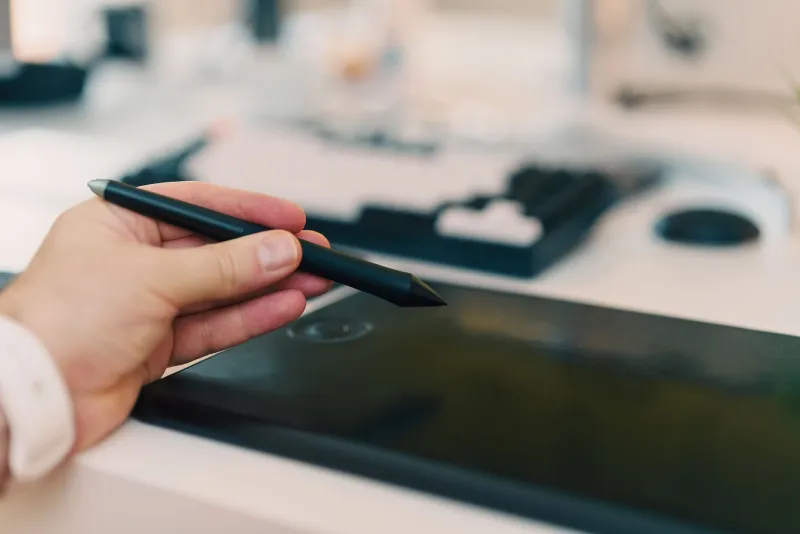
Today, open-source and affordable software — from digital paint tools to timeline-based compositing programs — has collapsed the cost of entry. A talented artist with a drawing tablet and a decent machine can produce work that would've required a small facility in the 1990s.
The catch? Tools don't make animation. People do. The studios that thrive on micro-budgets invest in artists who can wear multiple hats, not in expensive software licenses.
What American Animators Can Learn From the Japanese Indie Model
The US animation scene has exploded with independent creators over the past decade, and there's real overlap between what works in Tokyo's indie scene and what works in Los Angeles or Austin.
First: scope small, finish everything. A finished 90-second short teaches you more than an abandoned 20-minute pilot. Japanese indie studios live by this — they ship constantly, building both portfolio and pipeline with each release.
Second: build a community, not just a client list. Patreon, Kickstarter, and convention circuits have created direct artist-to-audience relationships that mirror how Japanese doujin circles operate. Your fans are your investors, your feedback loop, and your marketing team all at once.
Third: protect the creative core. On a micro-budget, every hour matters. Spend them on the frames that actually appear on screen, not on meetings about meetings.
The Bottom Line
Micro-budget animation isn't a consolation prize. It's a discipline that forces clarity, creativity, and speed — qualities that benefit any studio, at any size. Some of the most visually striking work coming out of Japan right now comes from teams smaller than a typical American restaurant kitchen staff.
If you're an animator stateside dreaming about your own project, take heart: the tools are accessible, the audience is hungry, and the model is proven. All that's left is to start drawing.