The Villain Who Never Gets a Flashback: Why Less Antagonist Is More
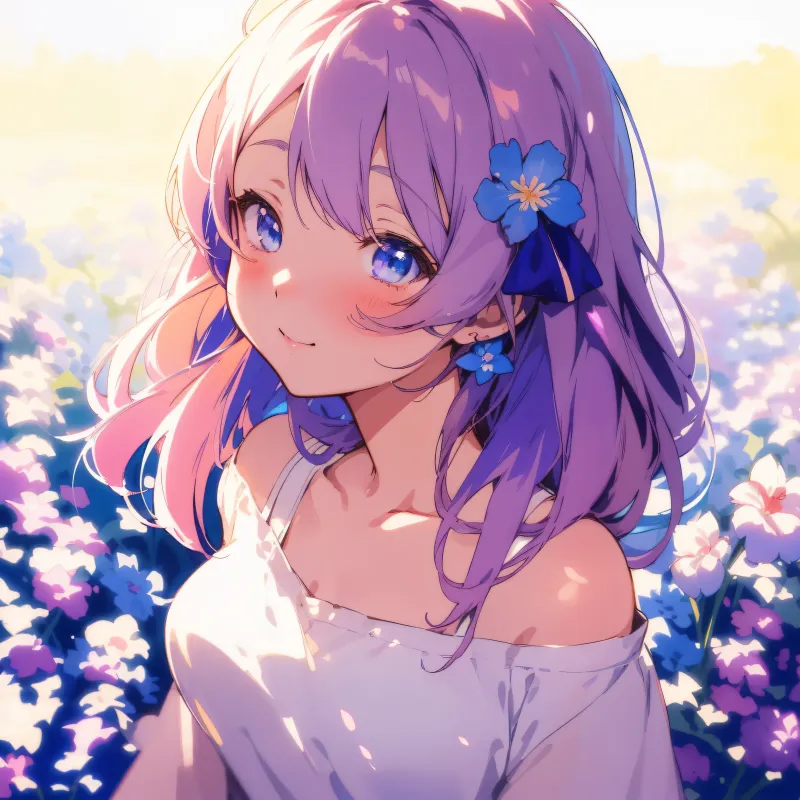
Photo: anime villain silhouette dramatic lighting single frame dark red accent, via image.cdn2.seaart.ai
American prestige TV has a problem. It cannot leave a villain alone. Give a bad guy ten episodes and someone in the writers' room will eventually ask the question that kills menace: what if we understood him?
Anime does not always resist that temptation, but when it does, the results are terrifying. Some of the most memorable antagonists in anime are not built by full backstory arcs. They are built by a single cut, a pose, a color choice, a line delivery that lands like a slap and then vanishes. The frame ends. The feeling does not.
This is not nostalgia for mystery. It is an argument about craft. Menace is a design problem, and too much explanation turns design into exposition.
The one-frame rule
Think about the villains you remember from anime. Not the ones with the saddest flashback. The ones who made you sit up. Often they get one shot that does all the work: a silhouette in a doorway, a hand adjusting a cuff, an eye visible through a curtain of hair, a smile that arrives a half-second too late. The animator is not just drawing a character. They are drawing the shape of a threat.
A single frame can carry more information than a monologue. Posture tells you class. Negative space tells you confidence. Lighting tells you whether the villain belongs to the world or owns it. Color tells you what they take from every scene they enter. When a character is defined by a cut instead of a chronology, the audience fills in the rest. That filling-in is the horror.
Prestige TV's flashback industrial complex
American prestige TV loves the villain origin episode. It is an easy Emmy reel and a safe way to add runtime. The problem is that explanation is not the same as depth. A flashback can humanize a character, but it can also shrink them. Once you know why the monster is a monster, the monster becomes a case study. You stop fearing them and start diagnosing them.
Anime has its share of sympathetic antagonists, and some are great. But the scariest ones often keep their interiority off-screen. You get behavior, not biography. You get the aftermath of whatever made them, not the seminar explaining it. That restraint is not laziness. It is confidence in the audience and confidence in animation as a medium that can say things with composition instead of dialogue.
Menace is a visual problem
A villain who needs less screen time needs more precise screen time. That means animators and directors have to make every appearance count. The checklist is practical:
- Does the villain steal focus without moving? If the character is static and still the most interesting thing in the frame, the design is working.
- Do they own one color? A single recurring accent — a bruise purple, a sickly green, a clean white — can signal their presence before the audience sees a face.
- Is their first appearance shorter than expected? Leave the audience wanting the next cut. Do not give them a full scene until the story has earned it.
- Does the scene leave a physical trace? A cracked tile, a dropped object, a room that feels colder after they leave. Menace should linger in the environment.
- Does absence do work? A villain who is talked about, feared, and prepared for can be scarier than a villain who is on-screen every week.
- Is the camera afraid of them? Place the camera below, behind, or at a distance. Make the audience feel the angle of power.
- Cut the explanatory flashback. Or delay it until the character has already done something unforgettable. Backstory should complicate a threat, not introduce it.
The backstory trap
None of this means villains should be blank. Blank is not mysterious. Blank is boring. The point is that mystery is a structure, not a lack of information. Give the audience a clear silhouette, a clear appetite, and a clear cost. Let them wonder about the rest. A villain who is defined by a single cut can haunt a story because the audience keeps returning to that cut, looking for more.
American prestige TV could learn from that restraint. Not every antagonist needs a childhood. Not every monster needs a therapy session. Sometimes the scariest thing you can do is show a character for three seconds, let them ruin the room, and never explain the weather behind their eyes.
At Studio Kagura, we are not arguing for secrecy as a gimmick. We are arguing for visual storytelling that trusts the frame. The one-frame villain is not less developed. They are developed in the only place that matters: the audience's imagination.
The lingering frame
The best villains do not leave when the episode ends. They leave a shape behind. A posture. A color. A smile that arrives too late. If animators want menace to linger, they should stop asking for more screen time and start asking for better cuts. Less can be more. Less can be terrifying. Less can follow you home.