300 Hours for Four Seconds: Inside Anime's Obsessive Money Shot Culture
There's a scene in Mob Psycho 100 where a fight erupts and the animation suddenly stops looking like TV and starts looking like a moving painting. Four seconds. Maybe five. Fans rewound it so many times that someone eventually identified the exact animator by the way the character's hair moved.
Welcome to sakuga culture — the obsessive, wonderful, slightly unhinged world of anime's most devoted frame-by-frame detectives.
What Exactly Is a "Money Shot"?
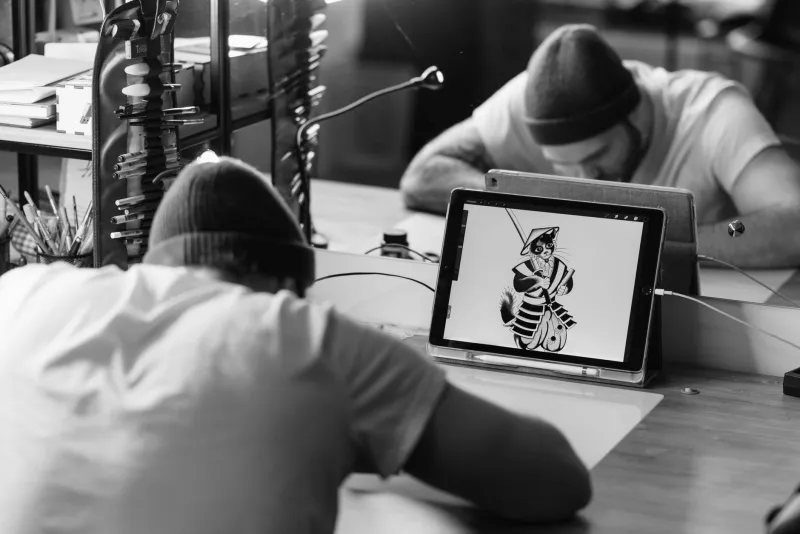
In production terms, anime is animated on a budget of scarcity. Most of any episode is held on cheap, efficient frames. But key moments — a transformation, a fight climax, a single tear — get handed to the studio's best animators, sometimes freelancers with near-total creative control over their cuts. These are the sakuga moments, and when one lands, it can define an entire series.
The math is absurd and beautiful. A single highly detailed cut can take hundreds of hours across weeks of work. On screen, that's less time than it takes to microwave popcorn. Studios approve it because audiences feel the difference even if they can't articulate it — the same way you don't need to know cinematography to know a movie looks expensive.
The Detectives of Devotion
Here's where it gets wonderfully strange. Fans in the US and Japan track individual animators the way sports fans track player stats. They recognize signatures — a specific way of drawing smoke, a distinctive smear-frame style, the loose pencil energy of a particular freelancer. Entire wikis and sakuga databases exist to catalog who animated what, down to the cut number.
Think of it like recognizing a guitarist by their tone. One animator might make water look alive; another gives every impact a violent, rubbery weight. Once you learn to spot these signatures, rewatching your favorite shows becomes a whole new experience. You're not just watching the fight — you're watching six different artists trading verses.
The Unsung Key Animators
For decades, these artists labored in relative anonymity while directors got the auteur treatment. That's changing. Animators like the legendary freelancers behind Mob Psycho 100, Kill la Kill, and the Fate franchise's fight sequences now have international fan followings, fan-edit highlight reels, and — crucially — leverage.
Which brings us to the poaching.
Why US Studios Are Shopping in Tokyo
Western animation has fallen hard for anime aesthetics — just look at the explosion of anime-influenced projects from major US streamers and studios. The problem: there's a limited pool of people who can actually execute that style at the highest level, and most of them live in Japan.
So American studios have started recruiting. Remote contracts, better rates, credit visibility, saner hours — the pitch writes itself, especially given the grueling conditions in some Japanese production pipelines. For animators, it's a chance at stability without leaving their drafting tables. For the industry, it's a quiet globalization of the craft that would've been unthinkable twenty years ago.
Why It Matters to You
Even if you never learn a single animator's name, this ecosystem affects what you watch. Sakuga culture is why studios keep greenlighting ambitious projects — the clips go viral, the viral clips sell the show, and the show funds the next four seconds of impossible animation.
So the next time a fight scene in your current seasonal pick suddenly makes you sit up straighter, do the fans a favor: pause it, rewind it, and appreciate the four seconds that cost someone a month of their life. Then maybe look up who drew it. Trust us — it's a rabbit hole worth falling into.