Lanterns, Yukata, and the Sacred Art of the Festival Episode
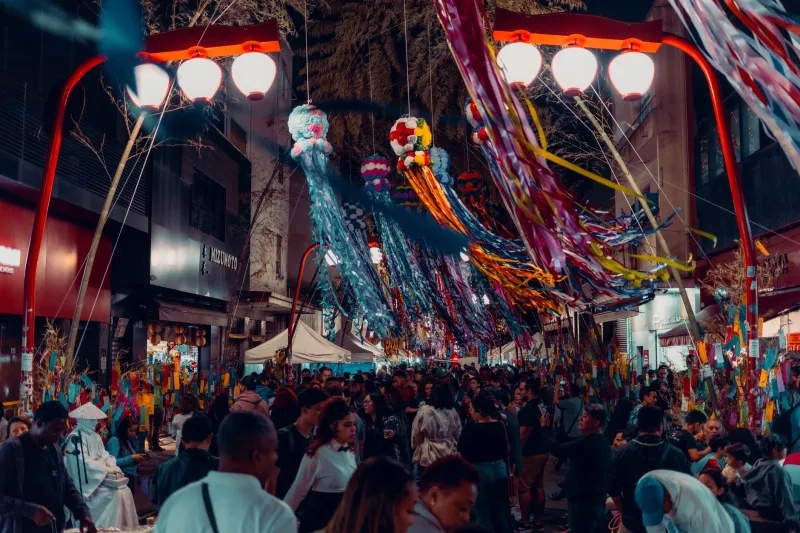
You know the scene before you even see it. Paper lanterns strung between stalls. A girl in a yukata fumbling with her geta sandals. The distant boom of taiko drums. Somewhere, someone is about to eat a candy apple and have a quiet emotional breakthrough.
If you've watched more than three slice-of-life anime, you've witnessed the festival episode. It's practically a law of the genre. But this isn't lazy repetition — it's one of the most sophisticated pieces of cultural shorthand in modern animation, and its roots run deeper than you might think.
Why Matsuri, Specifically?
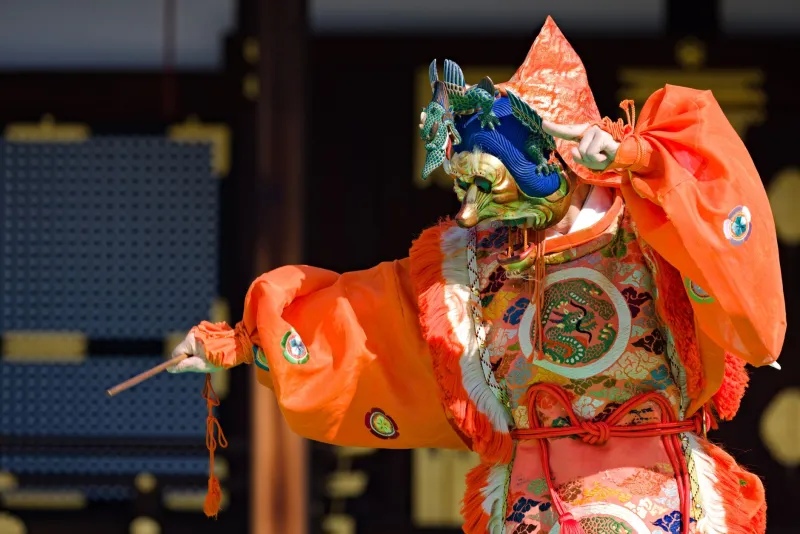
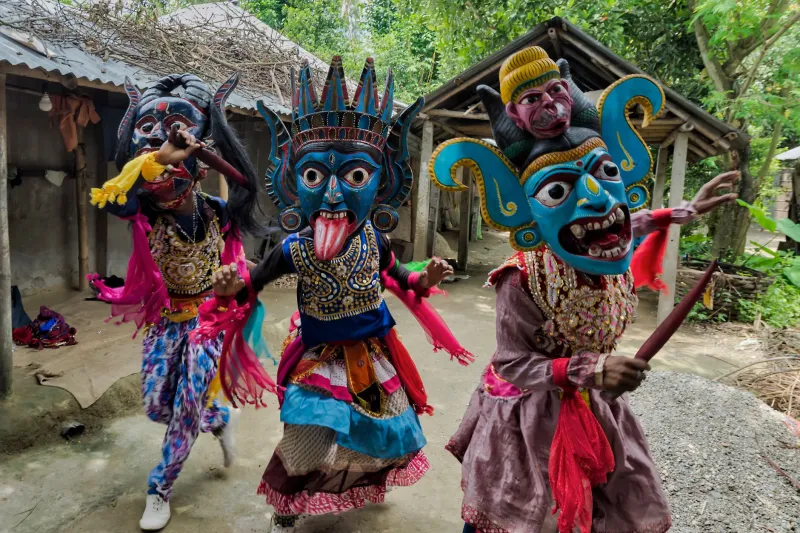
The festival episode descends from Japan's real matsuri calendar, and specifically from kagura — the ritual dance performed at Shinto shrines to entertain the gods. That's not a coincidence we take lightly around here. Kagura traditions vary by region, but they all share one core idea: the community gathers, something sacred happens through performance, and afterward, everyone eats way too much festival food.
Modern anime festivals borrow that exact structure. The fireworks aren't just pretty — they're a modern stand-in for the moment of divine attention. When two characters finally lock eyes under the fireworks, the show is borrowing a ritual that's been staging meaningful encounters for centuries. The shrine visit, the timed silence before the boom, the crowd's collective gasp — it's all choreography inherited from religious practice.
Western audiences don't need to know any of this to feel it. That's the trick.
The American Nostalgia Problem (and Solution)
Here's the part that fascinates us: most US viewers have never been to a Japanese summer festival, yet the scenes feel devastatingly familiar. Why?
Because America has its own version of the ephemeral community gathering — the county fair, the Fourth of July block party, the Friday night football game. The festival episode maps perfectly onto those memories: the crush of crowds, the food that only exists in that one week of the year, the awareness that this exact night will never happen again.
Anime festivals are engineered around mono no aware — the gentle sadness of transience. Summer ends. People grow up. The festival comes back next year, but you'll be different. That's a universal ache, and it's why a fireworks scene can hit harder than most hour-long dramas.
The Storytelling Shorthand
For writers, the festival episode is a Swiss Army knife. Need two characters to admit their feelings? Fireworks give you cover. Need to show a group of friends before everything changes? Give them one perfect night. Need to introduce a mysterious transfer student? Nothing says "this person matters" like appearing under lantern light.
It's efficient in a way Western TV often isn't. One episode, one location, and suddenly the entire cast has been emotionally rearranged.
The Ten Festival Episodes You Owe Yourself
Ranking these felt like ranking your own childhood summers, but here we go:
- Anohana: The Flower We Saw That Day — The festival that finally forces the group to say what they've been avoiding for a decade. Genuinely devastating.
- Air (2006) — The fireworks sequence that defined a generation of tragic summer anime.
- K-On! The Movie / Season 1 festival bits — Proof that even a light music club can't resist the pull of the stalls.
- Tamako Market — A shopping-district festival that treats community like a character in its own right.
- Barakamon — A rural island festival that nails small-town Japan better than any documentary.
- Non Non Biyori — Festival through a kid's eyes, where the stall games feel genuinely epic.
- Clannad: After Story — The festival that quietly recontextualizes the entire series.
- Hyouka — A school festival arc so good it rewrote how the genre handles events.
- Silver Spoon — A county-fair-style festival with an agricultural twist that grounds everything.
- Rurouni Kenshin's festival episode — The classic that proved action shows need summer nights too.
Honorable mention to Summer Wars, which isn't an episode but a whole film built on festival energy — and which explains the tradition to its own cast on screen.
More Than a Trope
The next time a festival episode rolls around, resist the urge to skip it. You're watching a ritual that predates television by centuries, wearing the costume of a breezy summer filler. The lanterns are lit for the gods. The dance is still being performed. And for twenty-two minutes, so are you.