The Classmate With One Line Just Won the Popularity Poll: How Background Characters Hijack Anime
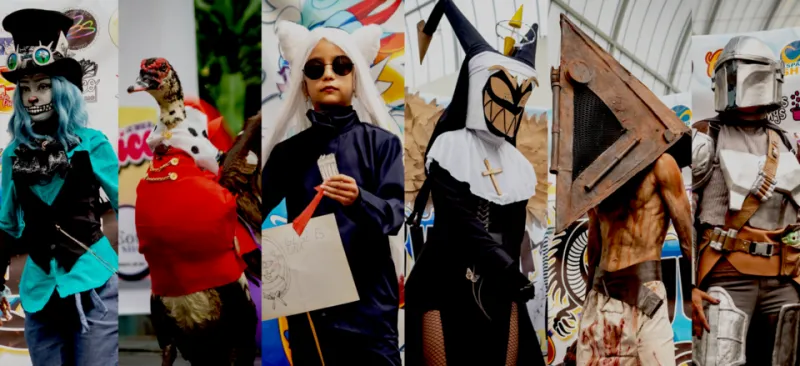
Photo: JoanArca, CC BY-SA 4.0, via Wikimedia Commons
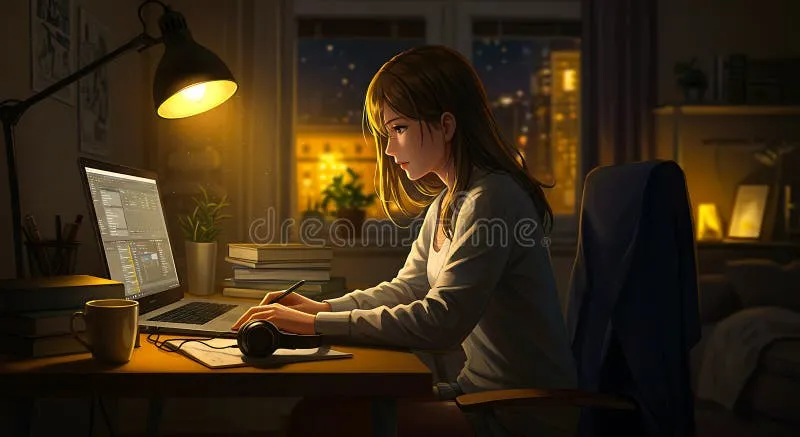
Every anime fan knows the moment. You're twelve episodes into a seasonal show, the protagonist is mid-power-up, and then the camera lingers — just for a beat — on some classmate in the back row. Maybe she's reading a book. Maybe she sighs at the right time. Maybe she just has a really good haircut.
Three weeks later, she has a fan wiki, a hashtag, and more fan art on Pixiv than the actual main character.
If you've spent any time in anime Twitter or scrolling convention artist alleys in the US, you've watched this happen in real time. And it's not an accident. It's one of the most interesting — and most fan-driven — dynamics in the modern anime industry.
The Math of Being Forgettable (That Doesn't Work)
Here's the thing studios tend to forget: a typical anime features a lead cast of maybe five characters, but it populates a world with dozens. The shopkeeper. The rival's quiet best friend. The girl who sits by the window and exists purely to make classrooms look real.
These characters are designed as furniture. Background assets. The production schedule gives them a name at best and a color palette at worst.
But audiences don't consume anime like production pipelines do. Fans watch the whole frame. And in a medium where visual storytelling is everything, a well-designed background character — even a silent one — is a storytelling opportunity that nobody's using. That vacuum is irresistible to creative fandoms.
When Fandom Writes the Spinoff Pitch
The mechanism is pretty consistent across the last decade of hits:
- A minor character gets one memorable moment. A funny expression, a single deadpan line, an unusually detailed character sheet.
- Fan artists run with it. Within days, Pixiv and X are flooded with interpretations. Doujinshi circles in Japan start sketching whole backstories. American artists on Tumblr and Bluesky do the same from the other side of the Pacific.
- The fan version becomes canon-adjacent. The fandom's invented personality gets so popular that official merch starts quietly reflecting it.
- Studios take notice. Popularity polls, merch sales data, and social engagement all point the same direction — and suddenly the "background girl" is getting a OVA, a spinoff manga, or a full series.
We've seen this play out enough times now that it's practically a pipeline. Characters who were designed to fill space have headlined entire franchises. Some of the most commercially reliable side characters in anime started life as a single gag or a background cameo that fans refused to let go of.
Why Background Characters Hit Different
There's a psychological hook here that's worth naming: minor characters are blank slates with just enough paint on them to inspire.
A protagonist comes pre-loaded with a tragic backstory, a stated dream, a love interest. There's little room for the audience to project. But a background character with one line? That's a collaborative canvas. Fans supply the personality, the history, the relationships — and because they wrote it, they're invested in a way no marketing budget can buy.
There's also the underdog effect. American audiences especially love an improbable winner. The same instinct that makes us root for a No. 16 seed in March Madness makes us champion the classmate with twelve seconds of screen time over the two leads having a dramatic rooftop confrontation.
Studios Are (Slowly) Catching On
The smartest studios and publishers have started treating background characters as a feature, not an afterthought. Some now deliberately design minor characters with stronger visual hooks — a distinctive silhouette, a memorable color combo — knowing that's what fandoms latch onto. Others monitor fan art trends the way Hollywood monitors Twitter for franchise revivals.
A few have gone further, spinning off side characters into their own series based almost entirely on demonstrated fan demand. It's audience research via doujinshi, and it's arguably more reliable than a focus group.
The risk, of course, is overcorrection. If every silent classmate gets a spinoff, the magic dies. Part of the background girl's charm is that she wasn't supposed to matter. The moment it feels engineered, fans will smell it — and move on to the next unsung character in the back of the frame.
The Real Takeaway
The background character phenomenon is the clearest evidence we have that anime fandom isn't passive consumption. It's a collaboration — sometimes an outright tug-of-war — between the people making the show and the people watching it.
So next time a seasonal show drops and you find yourself weirdly attached to the friend who only appears in the hallway scenes? You're not alone, and you're not wrong. You might just be looking at next season's protagonist.
The frame is bigger than the story. Fans have known that for years. Now the industry is finally catching up.