From Throwaway Gag to Grail Item: The Strange Economics of Anime's Tiniest Jokes
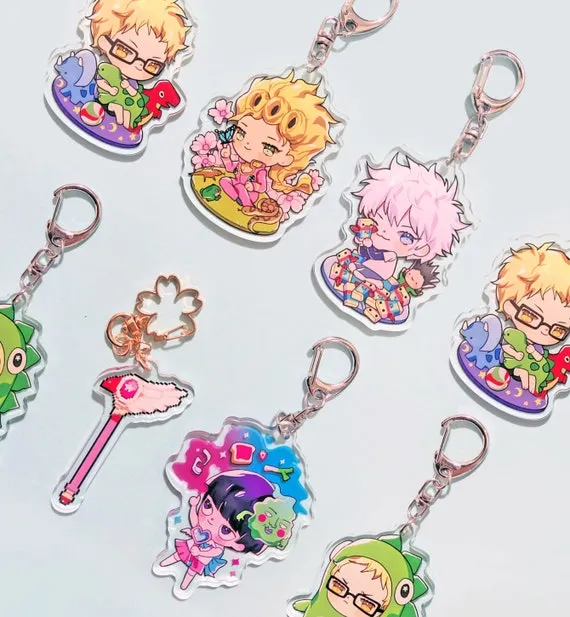
Photo: anime character acrylic keychain charms collection on table, via i.etsystatic.com
Every anime fan has one. A keychain of a character making a face that, in the actual show, lasted maybe a blink. A phone charm of a chibi version of someone who was never chibi in the series proper. A sticker of a single sweat drop. You didn't buy it because it looked cool. You bought it because it was funny, and that impulse — repeated a million times across convention halls and online storefronts — has quietly become one of the most reliable revenue streams in the entire anime industry.
The Two-Second Gamble
Here's the thing about a great gag: it's cheap to make and priceless to license. A dramatic action sequence might eat up the episode's entire animation budget. A reaction face costs a handful of frames. But which one ends up on a t-shirt at Anime Expo? Almost always the face.
"Dramatic moments are respected," one US-based licensing coordinator told us, speaking generally about the industry. "But they're not shareable. Nobody texts their friend a screenshot of a beautifully animated fight scene with three exclamation points. They text the derpy expression. Comedy travels."
That shareability is the whole ballgame. Merchandise teams aren't really selling a product — they're selling a punchline you get to carry around. When someone at a grocery store in Ohio recognizes your enamel pin of a character mid-scream, you've both joined a club that costs nothing to join and feels great to belong to.
How a Gag Gets Promoted
So who decides? The process is messier than you'd think. Studios and their licensing partners track fan response across social media, looking for moments that "escape containment" — jokes that fans start redrawing, memeing, and referencing back at the official accounts. A gag that generates fan art within 48 hours of an episode airing is a candidate. A gag that generates fan art of the fan art is a goldmine.
From there, the merch pipeline kicks in:
- Fast lane (3–6 months): Acrylic charms, stickers, and keychains — low production cost, quick turnaround, perfect for testing whether a gag has legs.
- Middle lane (6–12 months): Plush versions of chibi forms, standees, and blind-box figures, usually timed to a cour's home video release.
- Slow lane (12+ months): Full-scale prize figures and premium statues, reserved for gags that proved durable enough to survive a whole season of memes.
The smart money, several designers told us, is on expressions over objects. A character's iconic sword can be replicated by any competitor. The specific way this character's soul leaves their body in episode seven? That's unrepeatable intellectual property, even though it took almost no animation effort to produce.
Why American Fans Buy the Joke Twice
There's a second purchase happening that Japanese merchandisers figured out early: American fans often buy the gag merch after buying into the fandom some other way. You watch the show on a streaming service, join the subreddit, then drop fifteen bucks at a con on a charm of a character holding an onigiri for exactly one scene.
Part of it is inside-joke signaling. Wearing gag merch in public is a low-stakes way of saying "I'm in on it" to anyone who recognizes it. Part of it is that gag merch is simply more wearable — a screaming chibi face reads as cute and funny to everyone, while a dramatic key visual screams "this is anime" to anyone walking behind you at Target.
And part of it is affection. Fans don't just love the cool moments; they love the characters being ridiculous. Comedy merch is, in a weird way, the most honest expression of fandom. Nobody buys a keychain of a two-second gag for resale value. They buy it because it made them laugh once and they wanted to keep the laugh.
When the Gag Outgrows the Show
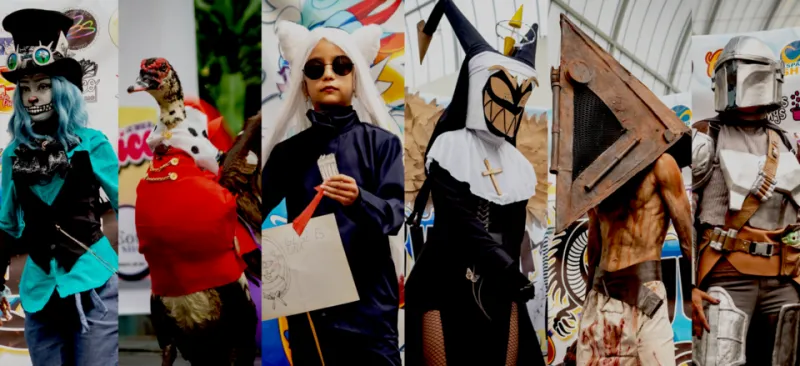
The wildest cases are the gags that outlive their source material. A running joke from a series that ended years ago can still move units at cons, sustained entirely by fan memory and cosplay. Walk any major US convention floor and you'll spot cosplayers recreating specific poses from meme moments — no costume required, just the expression and the stance. Some of these bits have more cultural staying power than the plot of the shows they came from.
That's the real lesson hiding in the keychain aisle: anime's emotional peaks get the awards, but its comedy gets the long tail. A tearful confession scene is remembered. A perfectly timed face fault is reenacted, remixed, and worn on a lanyard for a decade.
So the next time you catch yourself paying eight dollars for a tiny acrylic rendering of a character at their most undignified, don't feel silly. You're not buying plastic. You're buying a punchline with a production history, a licensing meeting, and a fan art pipeline behind it. The studio laughed all the way to the bank — and honestly, so did you.