Forty Episodes, One Throat: The Physical Marathon Nobody Sees Behind Every Anime Performance
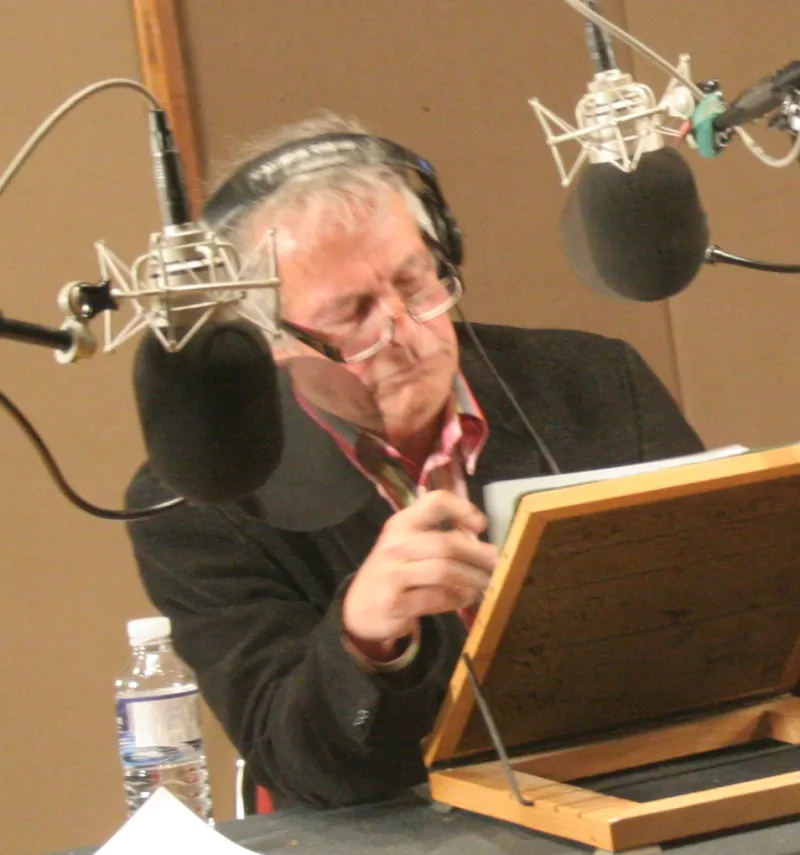
Photo: Kat Baulu, CC BY 2.0, via Wikimedia Commons
There's a clip that circulates every few months on anime Twitter: a voice actor in a recording booth, doubled over, delivering a death scream that sounds like a building collapsing. Then the director says 'one more time, but 20% bigger,' and she does it again. And again. Fans in the replies lose their minds. Working voice actors just nod, because they know the truth — that scream is technique, not luck, and without technique it would end careers in a week.
The Booth Is a Gym
American audiences are used to thinking of voice acting as 'talking into a microphone.' For anime, it's closer to competitive athletics. A single cour can demand battle cries, sobbing, possession voices, and a schoolgirl's casual chatter — sometimes in the same session. A long-running series stretches that workload across years, and the vocal cords don't get stunt doubles.
So seiyuu train like athletes. Breath support is the foundation: the power behind a scream comes from the diaphragm and core, not the throat. Push a shout through your vocal cords alone and you're shredding tissue. Anchor it low in the body and you can repeat it take after take. Veteran performers talk about it the way distance runners talk about pacing — knowing exactly how much of their voice a scene will cost, and where they can afford to spend.
Rituals Before the Red Light
Ask around about booth habits and you'll hear a whole folk culture. Some actors hum scales in the hallway for ten minutes before a session. Others avoid dairy like it's cursed. One commonly shared trick: arriving early to the studio not to rehearse lines, but to physically warm up — stretching the jaw, loosening the neck, releasing tension that would otherwise leak into the performance as a strained, thin sound.
Hydration is basically a religion. Room-temperature water, honey solutions, throat lozenges staged like ammunition on the script. What looks like superstition is really risk management. A hoarse seiyuu isn't just having a bad day; they may be unable to hit the character's established pitch, and continuity across dozens of episodes depends on that pitch staying consistent.
The Laugh That Built a Career
Here's the part that turns craft into legend: sometimes a single vocal quirk becomes the character. A raspy chuckle, a signature way of swallowing a syllable, a laugh that sounds like a hinge that needs oil. Fans clip it, meme it, and suddenly that sound IS the character — merchandise, TikTok trends, the works.
That's the strange alchemy of the booth. The script says 'laughs.' The actor decides how the character laughs, and that decision can outlive the show. It's the vocal equivalent of a signature animation frame — the detail everyone remembers without knowing why.
Why American Fans Are Paying Attention
The seiyuu fandom wave that hit the US over the last decade — concert tours, fan meet panels at Anime Expo and Crunchyroll Expo, viral booth-recording clips — has done something valuable: it pulled back the curtain. American viewers who grew up on celebrity dub casts are now learning the names of the original performers, watching them stream on YouTube, and realizing that the 'voice' in voice acting was never a modifier. It's a full-body discipline.
And honestly, once you know what goes into it, you can't unhear it. That villain's menacing whisper? Controlled breath, narrowed airway, hours of practice. The protagonist's tearful breakdown? Real tears, produced on cue, take after take. The next time a character screams loud enough to rattle your speakers, spare a thought for the person in the booth — pacing their voice like a marathon runner, saving just enough for one more take.