Sub vs. Dub: The Fandom War That Never Ends (And Why Both Sides Have a Point)
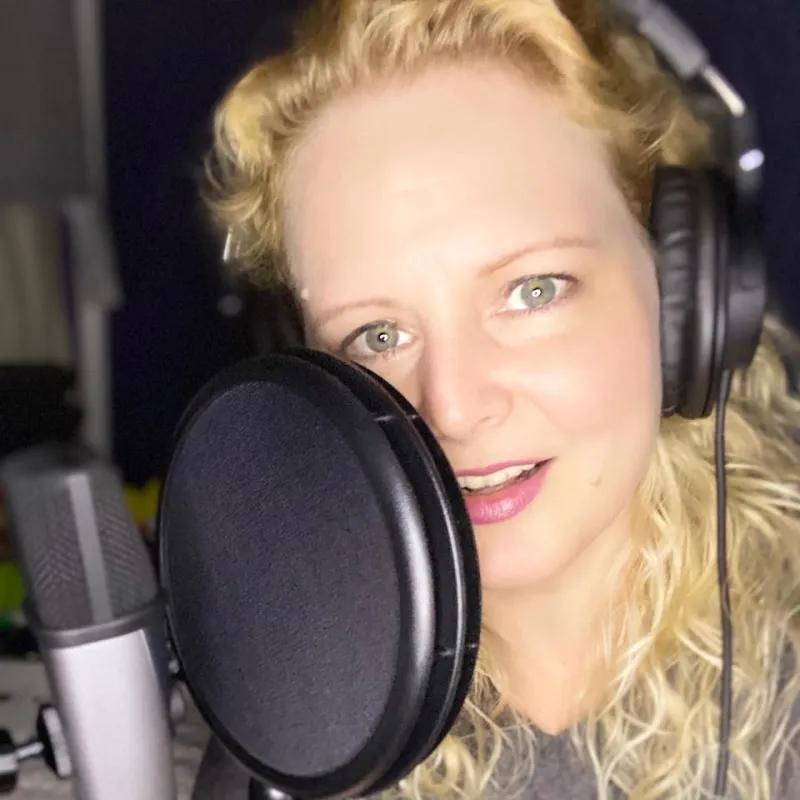
Photo: CaptainChaosDunDunDun, CC BY-SA 4.0, via Wikimedia Commons
Ask a room full of anime fans to name the greatest threat to the medium, and you'll get answers like corporate meddling, endless isekai, or that one streaming service that shall not be named. But whisper the word dub into that same room and watch the temperature drop ten degrees.
The sub-versus-dub war is the longest-running conflict in American fandom, and it never ends. It just goes dormant, waiting for the next casting announcement to reignite it. And honestly? After talking to the people who actually make these dubs, we're starting to think both sides have been arguing about the wrong thing entirely.
Why the Purists Won't Budge
Let's be fair to Team Sub for a second. The original performance is, by definition, the one the creators signed off on. When a Japanese voice actor delivers a line, they're working with the director, the composer, and the animator's timing in a way no one else ever can. Something is always lost in translation — not just words, but rhythm, breath, the tiny emotional tells baked into a language.
There's also the lip-flap problem. Japanese animation is famously loose with mouth movements compared to Western animation, which is why dubs are even possible in the first place. But when a show does have tight syncing — or when a character's catchphrase is built around a Japanese pun — English speakers notice the seams. Purists hear those seams constantly, and for them, a dub isn't a translation. It's a cover song.
The Case the Other Side Never Gets Credit For
Here's what the sub-only crowd tends to forget: reading is work. Not everyone wants to split their attention between the bottom of the screen and the action, especially during a fight scene animated like a music video. Plenty of fans — including a huge chunk of the newer, post-Demon Slayer audience — discovered anime through dubs and never looked back.
And the craft has genuinely leveled up. The days of every dub sounding like a Saturday morning cartoon are largely behind us. Studios like Crunchyroll, Sentai Filmworks, and the legacy FUNimation pipeline now treat English casting like actual casting, not a formality. Directors hold real auditions. Actors build entire careers on anime roles. Some performances — Crispin Freeman's work, the late great record of dubs like Cowboy Bebop and Fullmetal Alchemist — are argued, credibly, to be better than the original.
That last point is heresy in some circles, but it keeps happening. A great English actor can bring cultural context a Japanese actor can't. A joke about American school culture lands better when the person delivering it grew up here. Localization isn't just translation — it's adaptation, and when it's done well, it's its own art form.
What It's Actually Like Behind the Mic
We spoke with a US-based voice actor who's worked on dozens of dubs (who asked to stay anonymous to keep her studio relationships intact), and the biggest surprise was how little time there is.
"People assume we record like it's a Netflix show — weeks of table reads, the whole cast in a room," she told us. "Reality is you're often alone in a booth, seeing scenes for the first time, matching lip movements you didn't animate, in maybe three takes. It's closer to live theater than film acting."
Directors, she says, are the unsung heroes. A good dub director does triple duty: coaching performance, adjusting translated scripts so lines actually fit the mouths, and protecting the emotional core of a scene when the literal translation would sound robotic in English.
"The fans who say 'dubs are lazy' have never watched a director spend forty minutes on one scream," she laughed. "The bad dubs get memed. The good ones just blend in so well you forget someone chose every word."
The Poll: Which Dubs Actually Beat the Original?
We ran a poll with our readers — a brutal one — asking which English dubs genuinely surpassed their Japanese originals. Over 4,000 votes later, the results:
- Cowboy Bebop — 31%. Steve Blum's Spike is the default answer for a reason.
- Fullmetal Alchemist: Brotherhood — 24%. Vic Mignogna-era casting debates aside, the ensemble is stacked.
- Ghost Stories (ADV dub) — 18%. Technically a total rewrite, technically cheating, absolutely legendary.
- Dragon Ball Z (Funimation/ Ocean dubs) — 15%. Nostalgia is a powerful drug.
- Spice and Wolf — 12%. The economics jargon sings in English.
The Ghost Stories result tells you everything about how fans actually think. It's not a translation at all — the English cast was given free rein to rewrite the show as a comedy — and it's beloved because of that. Fandom doesn't want fidelity. It wants a good show.
So Who Wins?
Nobody, and that's the point. The war persists because both sides are right about something. Subs preserve the original intent; dubs open the door for millions of fans who'd never walk through otherwise. The healthiest take we heard came from that same voice actor: "Watch whatever lets you actually enjoy the show. The people who made it would rather you watch it at all."
Radical concept. We're not sure the comment section is ready for it.
Which side are you on? Fight it out in the comments — politely, if you can manage it.