The Anime Pilgrimage Boom Is Coming for Small-Town Japan — And It Has No Idea
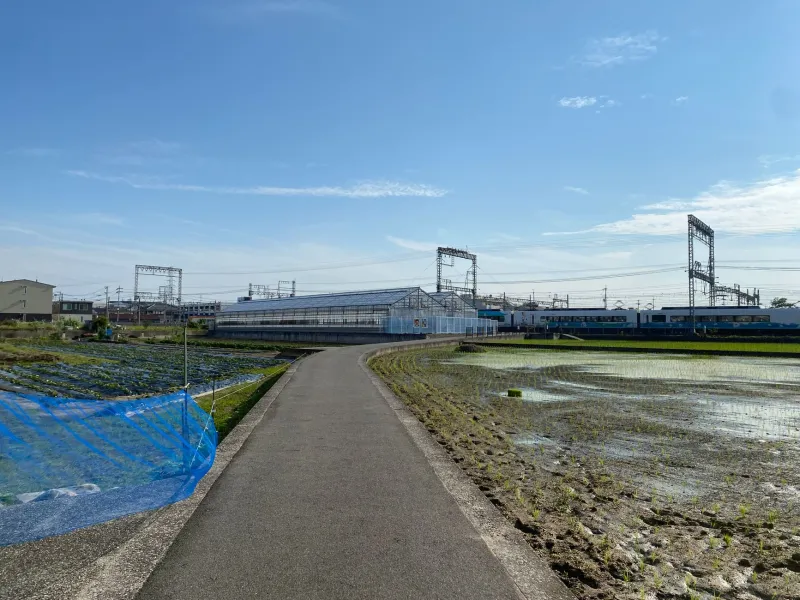
There's a moment that happens in half the slice-of-life anime ever made: the camera lingers on a rice field, cicadas buzzing, the afternoon light hitting a two-car train platform that exactly nobody is waiting at. It's a throwaway shot. Background art. And yet somewhere in Ohio, a viewer is pausing the frame, reverse-image-searching the location, and pricing flights to Nagano.
If that sounds like you — no judgment. You're part of one of the strangest and least understood economic stories in modern tourism.
The Seichi Junrei Effect, Explained for Americans
The Japanese term is seichi junrei — "pilgrimage to sacred sites." It started as a niche otaku ritual: hardcore fans tracking down the real-world locations behind their favorite shows. Lucky Star put Washinomiya Shrine on the map. Your Name sent international crowds flooding to a random set of stairs in Shinjuku that appear on screen for maybe ninety seconds.
But here's what's changed: it's not niche anymore. Industry groups in Japan now estimate that anime-related tourism generates hundreds of millions of dollars annually, and the demographic has shifted hard. The person renting a car in rural Gifu isn't a superfan with a shrine in their apartment. They're a 34-year-old American accountant who watched one show about girls camping in Yamanashi and thought, "honestly, that looks nice."
Sound familiar? It should. It's the exact playbook HGTV ran on small-town America. One charming episode of a house-flipping show and suddenly Waco, Texas has a tourism economy. Anime is doing that to rural Japan — except the media being consumed is infinitely more emotionally powerful than anything on cable.
Why Countryside Anime Hits Different
There's a reason Non Non Biyori, Barakamon, and Hibike! Euphonium don't just get watched in America — they get yearned for. The countryside anime genre isn't really about plot. It's about a feeling Americans are increasingly desperate for: slowness. Community. A place where the convenience store clerk knows your name and the biggest event of the summer is a fireworks festival.
For a US audience dealing with burnout culture, third places disappearing, and a housing market that turned every town into a suburb of somewhere else, a fictional Japanese farming village isn't escapism. It's grief with better background music.
And the numbers back this up. Farmstay booking platforms in Japan report growing American interest, and regional tourism boards have started noticing that their Google Analytics traffic spikes whenever a show featuring their prefecture hits a streaming service. One idyllic summer episode can outperform a year of official marketing spend.
The Towns Aren't Ready
Here's the uncomfortable part: most of rural Japan has no idea this is happening, and the ones that do are often unprepared for it.
The success stories get shared at tourism conferences — towns that leaned in, printed anime-themed bus maps, partnered with production committees, and saw visitor numbers triple. But for every town that nailed it, there are a dozen where fans show up, take a photo of an empty train platform, and find nothing else. No signage, no cafés with extended hours, no English support, sometimes not even a bathroom. The pilgrimage economy is real, but it's unevenly distributed and almost entirely accidental.
Which raises the question this article really wants to ask: should small towns be courting anime studios?
The pragmatic answer is yes — and some already are. Regional governments now actively pitch locations to production committees the way American states pitch film studios with tax incentives. A single show can put a town's name in front of millions of international viewers for free. Compare that to what a prefecture spends on a convention booth at a US travel expo.
The cautious answer is: be careful what you wish for. Overtourism already strained places like Kyoto and Kamakura before the pandemic, and rural infrastructure — one-lane roads, tiny stations, aging populations — isn't built for a wave of Instagram-driven visitors. A town that gets famous before it gets ready can end up resenting the very fans that came to love it.
What Smart Towns Will Do Next
The winning moves are already visible. Towns that succeed at this treat fans like neighbors, not wallets. They preserve the locations fans come to see rather than paving them over with gift shops. They build small, sustainable infrastructure — a café that stays open Sundays, a tourist information desk at the station, a QR code that explains which scene happened where. They partner with the studio instead of just cashing the checks.
And the fans, for their part, are largely the best kind of tourists: respectful, spendy, and deeply emotionally invested in the place's survival. Nobody books a farmstay because of a bus ad. They book it because a show made them fall in love with a version of rural life they're desperate to believe still exists.
The nostalgia economy is coming either way. The only question is whether the towns on the receiving end will shape it — or just watch it happen from an empty train platform, exactly like in the anime.